Monday morning clipboards are a bottleneck, not a preference
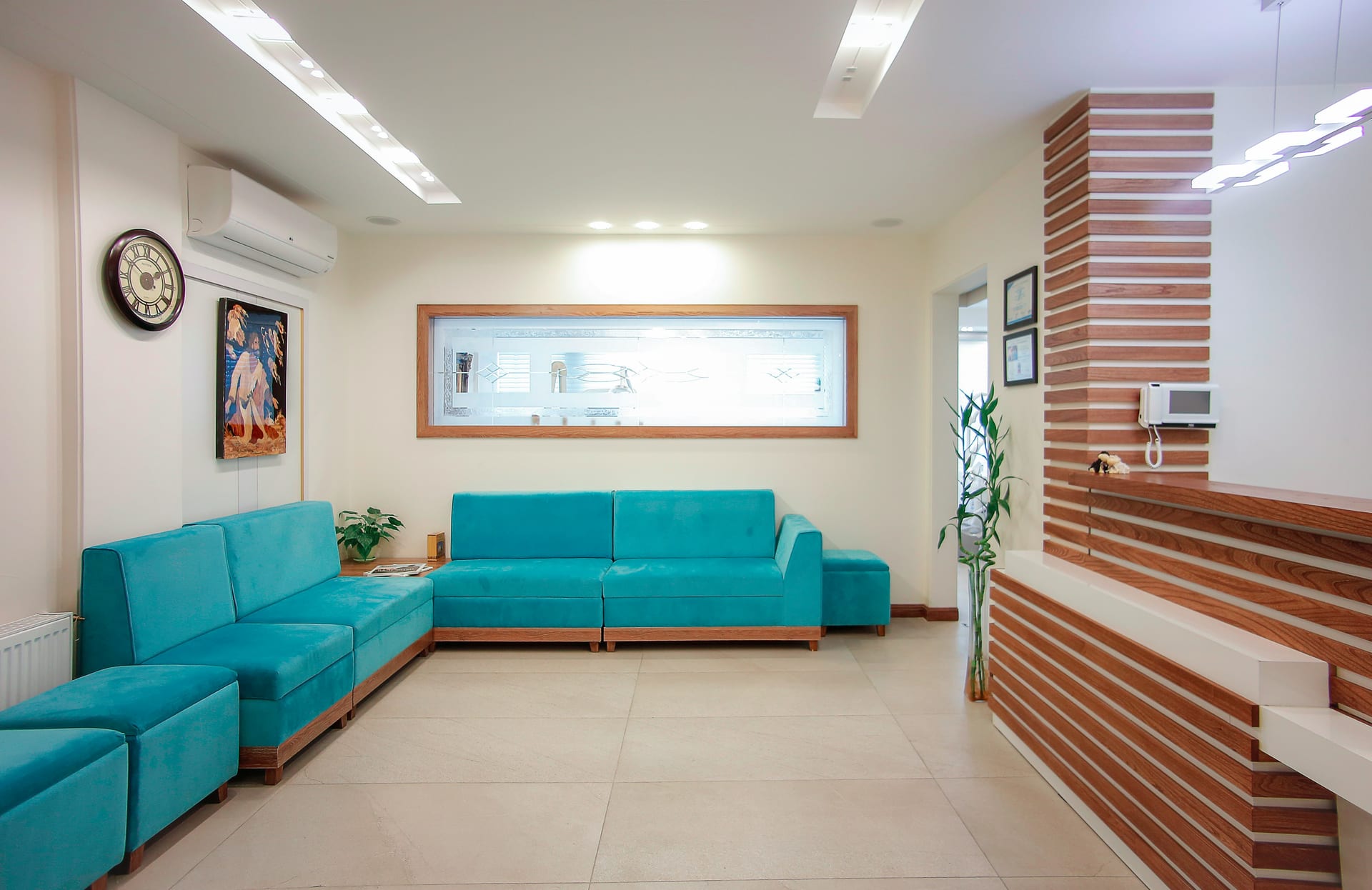
In the high-velocity world of modern dentistry - from solo practices to large Dental Service Organizations (DSOs) - the "margin of error" is decided in the waiting room. Whether it is a comprehensive medical-dental history for a new patient or a specialized sedation consent form, clinical and administrative teams often rely on PDF templates that have been meticulously refined by legal counsel and insurance carriers. The friction starts when a family needs a fast, digital way to answer those questions without retyping the entire packet into a blank Google Form. They often miss critical allergy flags, skip the latest perio history updates, or use inconsistent terminology for "current medications," leading to clinical risks and billing errors.
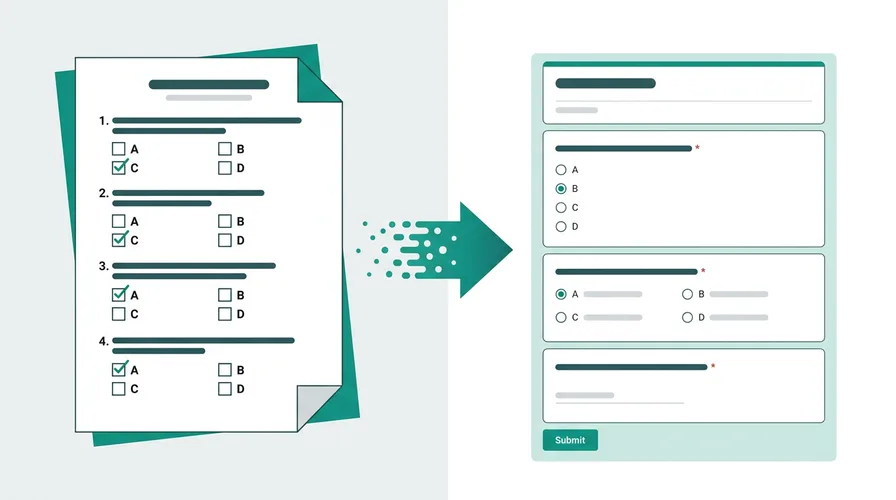
Doc2Form eliminates this "manual retype" by reading your digitally authored PDF or Word templates - up to 5 MB - and drafting a structured Google Form in seconds. This ensures that every patient and every hygienist sees the exact same prompts your attorney approved, which is mandatory for maintaining data integrity and meeting state regulatory expectations. By maintaining the same terminology as the source script, you keep your "clinical-ready" documentation consistent from the front desk to the dental chair.
Quality and Safety: Consent, Recall, and Hygiene Loops
Patient safety and satisfaction are only effective if they are documented in real-time. If a hygienist has to wait for a physical clipboard to be returned before treatment notes are updated, the delay can lead to missed "must-ask" safety questions or delayed follow-ups. By moving your recall scripts and comfort surveys into Google Forms, you can provide a structured interface on a tablet at the point of care. You can organize the Form by "Visit Type," "Clinical Observations," and "Patient Preferences," ensuring that every interaction is documented with an automatic Google timestamp.
Importing your existing "Surgical Consent" or "Hygiene Update" PDF ensures that you are not missing critical prompts about nitrous usage, antibiotic premedication, or post-op instructions. Once the Form is generated, you can add "File Upload" questions so that staff can attach a photo of a patient's insurance card or a scan of a previous X-ray, providing visual evidence that beats a handwritten note in a chart. This transparency is vital for defending your safety record and proving a robust quality-control culture to your DSO partners.
Compliance and Privacy: HIPAA and Data Governance in Dentistry
Dental practices handle sensitive Personally Identifiable Information (PII) and Protected Health Information (PHI). Because the Forms live in your own practice's Google Workspace tenancy, you maintain full control over data residency, encryption, and access control. We strongly recommend ensuring your Workspace tier is covered by a Business Associate Agreement (BAA) and that your privacy officer has cleared the specific workflow for digital collection.
By digitizing your existing feedback and discovery surveys, you maintain consistency in your operational history. If your group’s "Post-Visit Survey" has been using a 10-question PDF for years, importing that same PDF into Google Forms ensures that your longitudinal data on "Wait Time Perception" remains comparable across different locations. Your data stays in your secure Google Drive, not on a third-party platform that might not meet your company's strict data-governance or HIPAA standards. This approach is particularly useful for managing non-PHI workloads like OSHA training and supply-order logs where speed and structure are paramount.
Common questions
Does this replace our primary PMS like Dentrix, Eaglesoft, or Open Dental?
No. Doc2Form is a productivity bridge for the "capture" and "survey" phases that precede or feed formal clinical record-keeping. Dental teams use Google Forms for high-volume intake helpers, internal operational checks, or experience pulses, and then manually export or use API bridges to move key data into their system of record. It's a tool for the "gaps" where your main system might be too rigid or doesn't have a mobile-friendly front end for families.
Can we collect photos of insurance cards or patient IDs through the Form?
Yes. Once the Form is generated in Google Forms, you can enable "File Upload" questions. This is mandatory for new-patient intake where you need the family or front-desk staff to attach evidence of coverage before the appointment begins. Files land in a secure folder in your Google Drive, linked to the intake response. We recommend creating specific, restricted folders for this sensitive PII.
How do we handle HIPAA compliance and pediatric consent?
Doc2Form does not make Google Forms "compliant" - your organization's data governance program does. If your CISO and Privacy Office have already cleared Google Workspace for certain PHI or non-PHI workloads, Doc2Form speeds up that build. The Forms and response data live in your own firm's Google Workspace tenancy, not on Doc2Form's servers. For pediatric patients, you can include required guardian fields and signatures that map directly to your counsel-approved wording.
Can we use "Describe mode" for a flash staff poll or hygiene recall?
Absolutely. If you need a fast pulse on staff vaccine interest or a quick answer on a new office-hours preference, you can type "3-question survey about [Topic] with staff name, interest checkboxes, and reason text" into Describe mode. Doc2Form will generate the structure so you can get a link out to your team's Slack or email list in seconds.
What is the cost for a solo practice or a regional DSO?
Your first hosted conversion is free, allowing you to test your most complex new-patient packet. For dental operations that need to digitize large libraries of SOPs, consent forms, and experience surveys across multiple offices, we offer credit packs. The codebase is also open source for firms that prefer to host the tool on their own private developer infrastructure to meet strict corporate-governance or HIPAA rules.