Harvest velocity depends on clean data at the gate

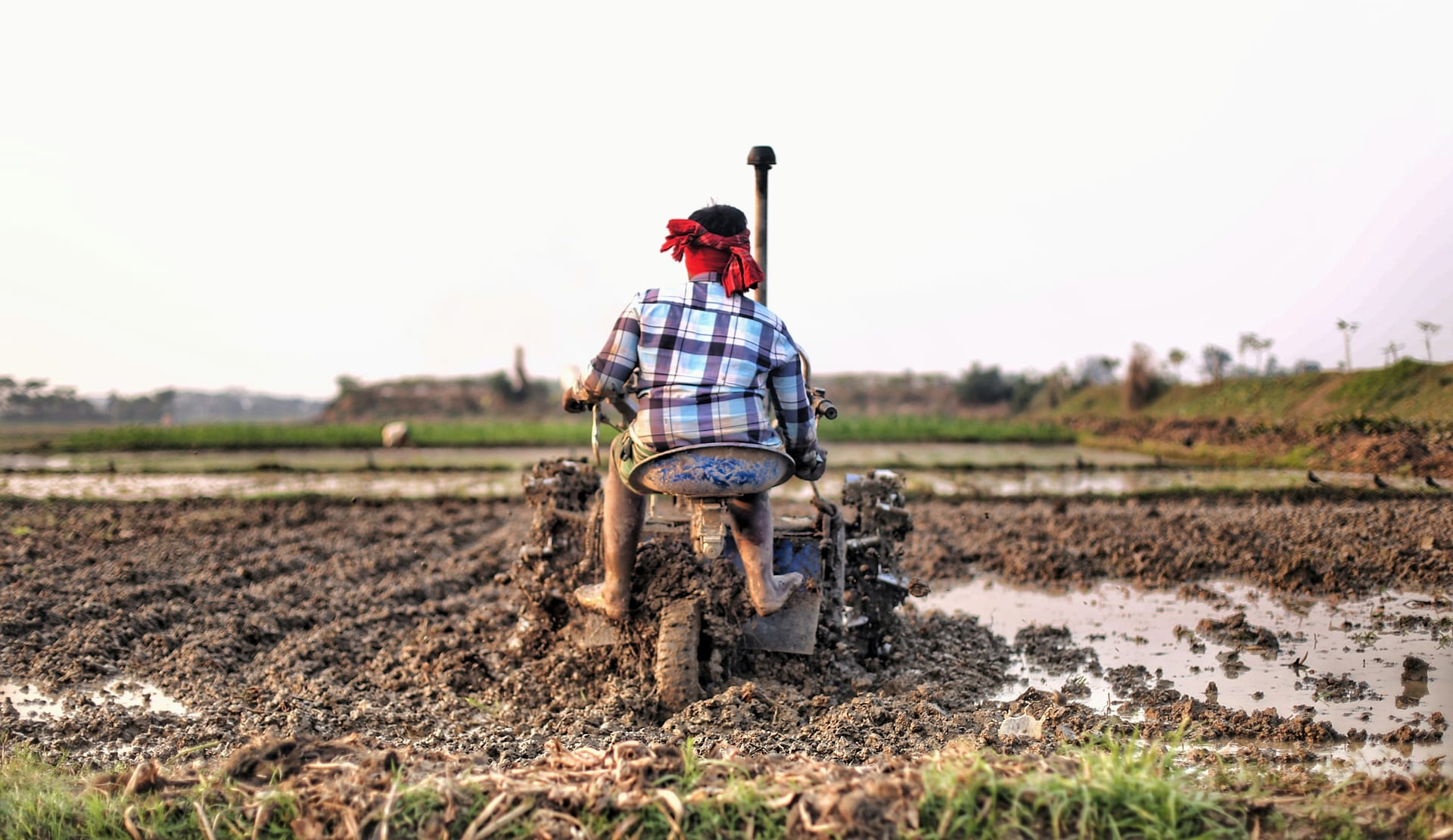
In the agriculture and agribusiness sector - from family farms to global processors - the "bottleneck" is often the handoff between the field and the scale house. During peak harvest, thousands of trucks hit the elevator, and each one requires specific documentation - from organic cert numbers and trailer-wash attestations to moisture-level flags and moisture-shrink acknowledgments. Most co-ops and processors rely on ring binders full of PDF SOPs and Word-based grower contracts. The friction starts when seasonal staff have to manual retype those commodity questions into a Google Form for hauler self-service. They often mistype critical details like variety codes or organic certification dates, leading to contaminated bins and inventory reconciliation nightmares.

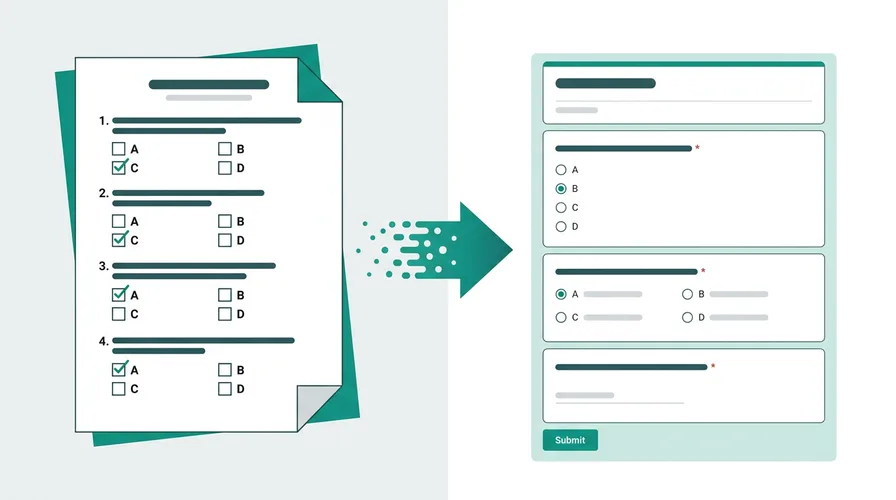
Doc2Form eliminates this "manual retype" by reading your agronomist-approved PDF or Word templates - up to 5 MB - and drafting a structured Google Form in seconds. This ensures that every hauler and every seasonal worker captures data using identical definitions, which is mandatory for maintaining food safety certifications like FSMA or Organic status later in the season. By maintaining the same terminology as the source script, you ensure that your harvest data is "audit-ready" for the state department of ag or your prime customer’s quality team.

Field Work: Safety Briefings and Seasonal Training

Managing hundreds of seasonal workers across thousands of acres requires consistent training and safety documentation. If a crew lead has to wait for physical clipboards to be passed around at the beginning of a shift, the process breaks down and critical safety checks are skipped. By moving your safety tailboards and "Toolbox Talks" into Google Forms, you can provide a QR code at the gang box, on the harvester, or at the fuel island. Crews can tap through the hazard checks, anhydrous ammonia handling reads, and guest escort rules on their own mobile devices, and you get a real-time record in a Google Sheet.

Importing your existing "Seasonal Safety Brief" or "Pesticide Handling" PDF ensures that you are not missing critical prompts about PPE, hydration, or emergency shut-off locations. Once the Form is generated, you can add "File Upload" questions so that crews can attach a photo of their equipment inspection, their pesticide applicator license, or a specific field hazard, providing auditable proof of compliance that stays organized in Google Drive by ranch or field ID. This transparency is vital for defending your safety record and proving due diligence during an insurance renewal.

Grower Relations and Agronomy Feedback Loops

Beyond the scale house, agribusinesses handle a significant volume of grower-facing intake for seed contracts, sustainability surveys, and post-harvest feedback. If your agronomy or marketing team uses a Word-based yield report or a grower loyalty instrument, Doc2Form can bring it into Google Forms in seconds. By providing a simple link instead of a PDF attachment, you increase participation rates from distributed producers and get structured data into Sheets that your marketing team can use for annual meetings or elevator newsletters.

By digitizing your existing feedback and discovery surveys, you maintain consistency in your operational history. If your co-op’s "Post-Season Survey" has been using a 10-question PDF for years, importing that same PDF into Google Forms ensures that your longitudinal data on "Seed Performance" or "Scale Efficiency" remains comparable across different crop years. Your data stays in your secure Google Drive, not on a third-party platform that might not meet your company's data-governance or IP-protection standards. This approach is particularly useful for managing complex organic or specialty-crop certs where data privacy is paramount.

Common questions

Does this replace our primary ERP or FMS like SAP, John Deere Ops Center, or Granular?

No. Doc2Form is a productivity bridge for the "capture" and "survey" phases. Agribusiness teams use Google Forms for high-volume grower intake, hauler surveys, or internal safety checks, and then manually export or use API bridges to move key data into their system of record. It's a tool for the "gaps" where your main system might be too rigid or doesn't have a mobile-friendly front end for the field.

Can field crews use the Form offline in remote acreage or bins?

Google Forms generally requires a data or Wi-Fi connection. We recommend that crews save the Form as a shortcut on their mobile devices. For remote fields with zero cell signal, we advise maintaining a paper backup for the immediate safety briefing and then syncing the data once signal is restored. Most facilities find that LTE or facility-wide Wi-Fi is sufficient for the 30-second submission time required for most field forms.

How do we handle food safety regulations like FSMA or Organic?

Doc2Form does not make a record "legal" - your food safety program does. We recommend using Google Forms for the operational checklists that feed your FSMA or Organic compliance. Photo uploads in Google Forms provide excellent auditable evidence of trailer cleanliness, equipment sanitation, or buffer-zone distance that auditors can easily review in Drive. Your quality team decides what electronic acknowledgments are appropriate for your specific certs.

Can we collect photos of commodity quality or crop pests?

Yes. Once the Form is generated in Google Forms, you can enable "File Upload" questions. This is mandatory for field scouting and receiving inspections where you need the technician or scale operator to attach evidence of a pest infestation, a moisture-damaged load, or a correctly labeled bin before the task is marked complete. Photos land in a secure folder in your Google Drive, accessible only to authorized staff.
What is the cost for a large co-op or specialty processor?

Your first hosted conversion is free, allowing you to test your most complex hauler intake. For organizations that need to digitize large libraries of SOPs, grower intakes, and safety forms across multiple regions, we offer credit packs. The codebase is also open source for firms that prefer to host the tool on their own private developer infrastructure to meet strict corporate-governance or IP-protection rules.