Retail velocity needs structured customer data
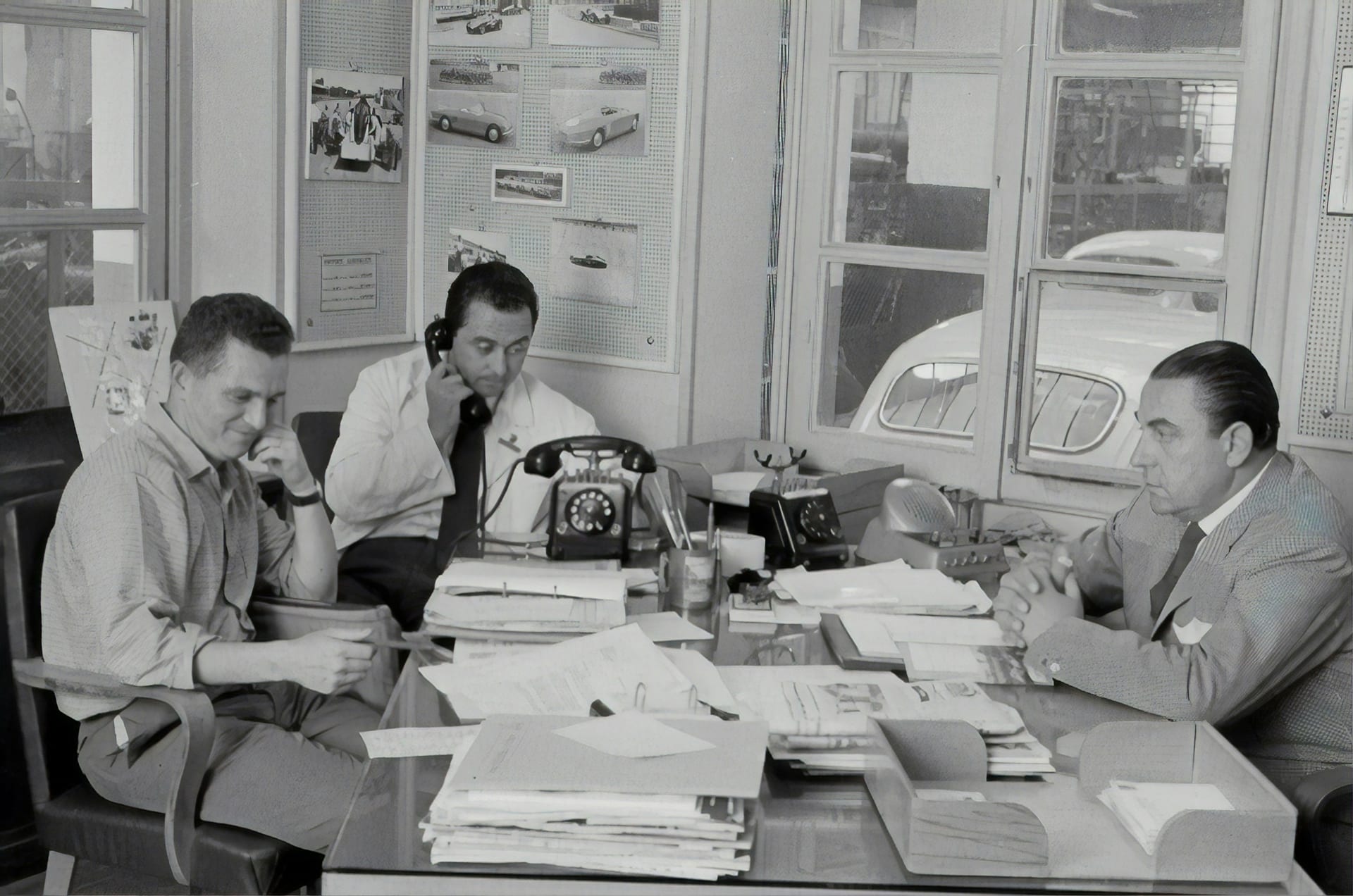
In the automotive retail and service industry, the "customer journey" is often stalled by paper triplicates, smudged clipboards, and outdated intake scripts. Whether it is a Multi-Point Inspection (MPI) triage or a high-stakes test-drive waiver, most dealership groups and independent service centers rely on multi-page PDF SOPs and Word-based field manuals. The friction starts when a service advisor or BDC (Business Development Center) agent has to manually retype those questions into a Google Form. They often mistype critical details like VINs (Vehicle Identification Numbers), mileage, or - more critically - the precise wording of an authorization or disclosure clause, leading to OEM (Original Equipment Manufacturer) audit failures and denied warranty claims.
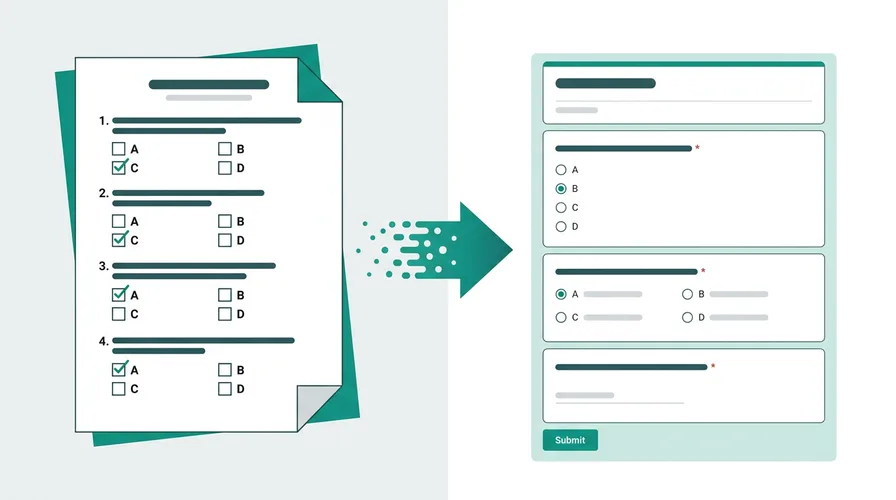
Doc2Form eliminates this "manual friction" by reading your digitally authored PDF or Word templates - up to 5 MB - and drafting a structured Google Form in seconds. This ensures that every service lane and every salesperson captures data using identical definitions, which is mandatory for maintaining brand integrity and meeting lender or insurer compliance requirements. By maintaining the same terminology as the source script, you ensure that your customer data is "audit-ready" for the manufacturer or your group’s compliance officer.
Service Operations: Lane Intake, Triage, and Parts Returns
The service drive is the heartbeat of a profitable dealership. If an advisor has to "freestyle" a triage questionnaire because the Dealer Management System (DMS) is too slow or undergoing an update, the resulting Repair Orders (ROs) are often missing critical metadata like specific concern descriptions, keypad codes, or loaner vehicle preferences. Most teams maintain these triage "scripts" as internal PDFs. By moving your scripts into Google Forms, you can provide a structured interface on a tablet that advisors can use right at the car.
Importing your existing "Service Intake" or "Parts Return" PDF ensures that you are not missing critical prompts about VIN capture, fault codes, or core-return reason trees. Once the Form is generated, you can add "File Upload" questions so that advisors can attach a photo of a dent, a dashboard warning light, or a damaged core, providing visual evidence that beats a handwritten note when presenting a repair recommendation to the customer or a claim to the OEM. This transparency is vital for increasing your Average Hours per RO and improving technician efficiency.
Customer Experience: CSI, Delivery, and Fleet Discovery
Actionable customer feedback is most useful when it is captured at the moment of the transaction. If your OEM or marketing lead provides a satisfaction survey instrument in a Word document, you do not have to wait for a marketing agency build or a specialized survey tool. Bring it into Google Forms in seconds. You can then use QR codes on hangtags or text links after a service visit to get immediate "Customer Satisfaction Index" (CSI) scores and salesperson ratings into a Sheet that your GM can trend in real-time. This flexibility allows dealerships to use a single tool for everything from "Rate your delivery experience" to "Which loaner vehicle did you prefer?"
By digitizing your existing feedback and enrollment surveys, you maintain consistency in your customer history. If your group’s "Post-Sale Survey" has been using a 10-question PDF for years, importing that same PDF into Google Forms ensures that your longitudinal data on "Likelihood to Recommend" remains comparable as you scale. Your data stays in your secure Google Drive, not on a third-party platform that might not meet your company's data-governance or FTC Safeguards standards. This approach is particularly useful for managing fleet discovery and "courtesy car" driver rosters.
Common questions
Does this replace our primary DMS like CDK, Dealertrack, or Reynolds & Reynolds?
No. Doc2Form is a productivity bridge for the "capture" and "survey" phases. Automotive teams use Google Forms for fast, customer-facing intakes, test-drive waivers, or internal audits, and then manually key high-value data into their DMS system of record. It's a tool for the "gaps" where your main system might be too rigid or doesn't have a mobile-friendly front end for the service lane.
Can we collect photos of driver's licenses and insurance cards directly through the Form?
Yes. Once the Form is generated in Google Forms, you can add "File Upload" questions. This is mandatory for test-drive workflows where you need the salesperson to attach a photo of the license and insurance card before handing over the keys. Files land in a secure folder in your Google Drive, linked to the customer's intake. We recommend creating specific, restricted folders for this sensitive PII.
How do we handle FTC Safeguards and GLBA compliance?
Because the Forms live in your own dealership's Google Workspace tenancy, you maintain full control over data residency and access. We strongly recommend including your dealership’s standard privacy notice and data retention links in the Form description, especially for BDC-led credit pre-screens or fleet intakes. We also advise against collecting highly sensitive data like full credit card numbers or raw social security numbers in plain-text Forms unless your Workspace security has been specifically hardened.
Can we use "Describe mode" for a flash sales event or tent sale?
Absolutely. If you are running a weekend "Sell-a-thon" or a one-off community demo and do not have a PDF master yet, you can type "RSVP for [Event] with current vehicle year/make/model, email, and preferred appointment time" into Describe mode. Doc2Form will generate the structure so you can get a live link out to your social media or email list in seconds.
What is the cost for a large dealer group or multi-rooftop firm?
Your first hosted conversion is free, allowing you to test your most complex service-lane script. For groups that need to digitize dozens of CSI surveys, fleet intakes, and internal audits across hundreds of locations, we offer credit packs. The codebase is also open source for firms that prefer to host the tool on their own private developer infrastructure to meet strict corporate-governance or PCI-DSS rules.