Hospitality is about the guest, not the data entry
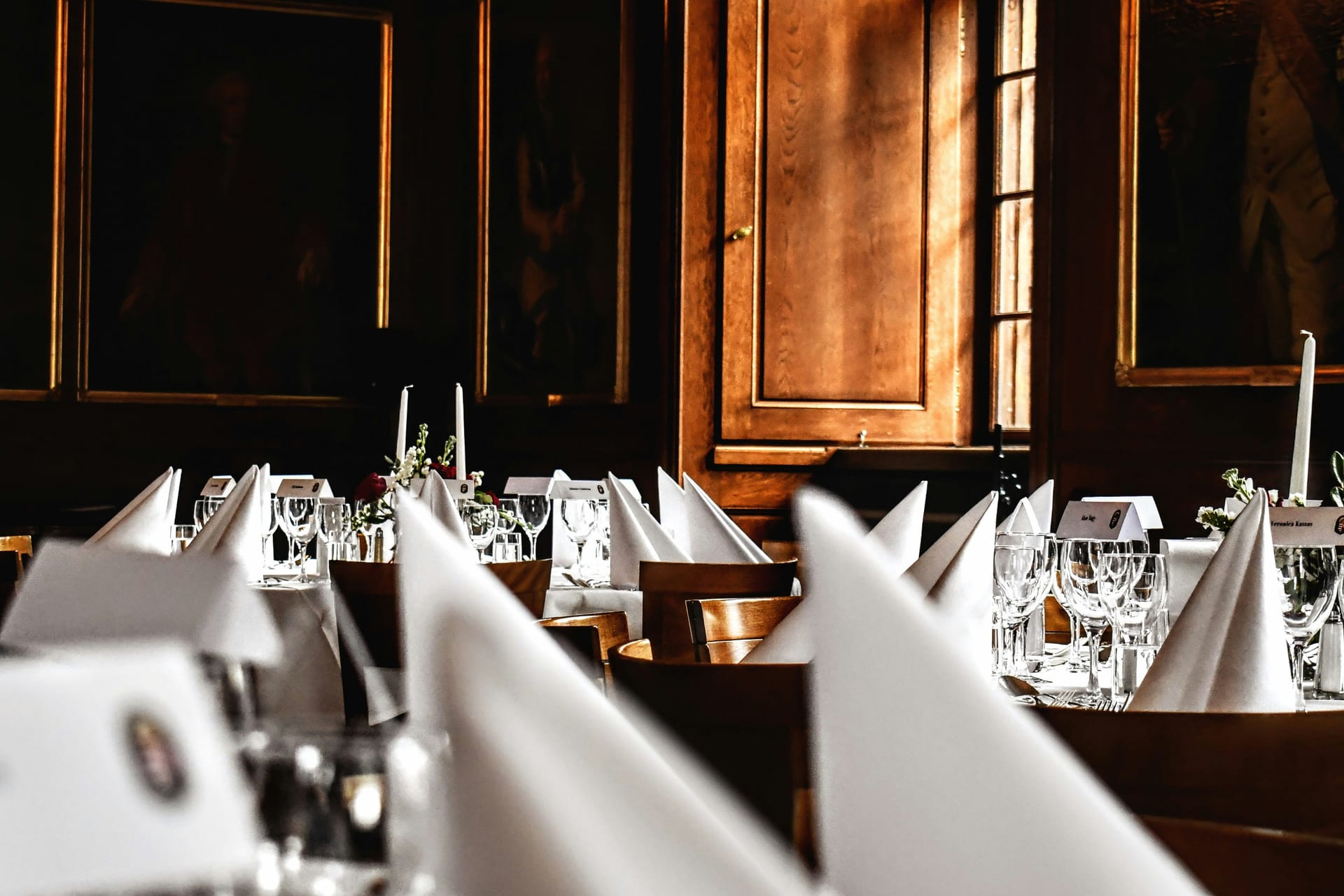
In the fast-paced world of restaurants, catering, and venue groups, the "paperwork lag" is where service failures happen. Whether it is a Banquet Event Order (BEO) for a 200-person wedding buyout or a detailed allergy matrix for a high-stakes corporate dinner, hosts and sales managers often spend hours manually retyping guest preferences from PDF contracts into a functional spreadsheet or a blank Google Form. The friction occurs when a client adds a last-minute dietary requirement or a change in the floor plan, and the information has to be manually updated across multiple systems.
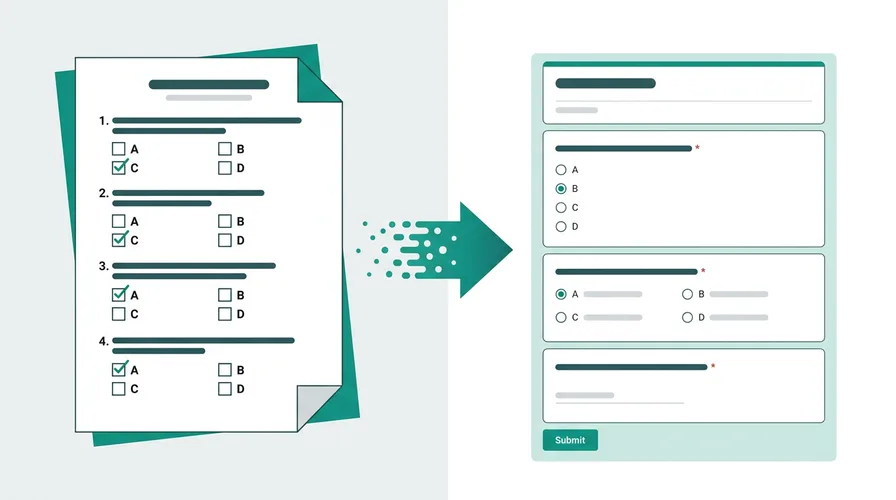
Doc2Form helps restaurant groups and independents bridge this gap by turning existing Word and PDF templates into structured Google Forms. Instead of re-keying headcount, liquor-package choices, or linen requirements, you upload the source file - up to 5 MB - and Doc2Form builds a Form that mirrors your kitchen’s approved terminology and logic. This means event organizers and hosts can complete their final details on their phones, and your BOH (Back of House) team gets a single, searchable Google Sheet of truth. By maintaining the same terminology as the source contract, you keep your "service-ready" documentation consistent from the sales office to the expo line.
Quality Control and Food Safety: Temp Logs and Wellness
Maintaining health department standards and HACCP (Hazard Analysis and Critical Control Points) compliance requires consistent logging of line starts, cooler temperatures, and staff wellness attestations. If your operations manual has daily checklist items - from "Walk-in cooler temp" and "Sanitizer PPM" to "Hand-washing station check" - retyping those into a Google Form manually is an invitation for "dry-labbing," where staff fill in numbers from memory at the end of a shift. By importing the official PDF or Word template directly, you ensure that every line check maps exactly to your SOP.
Once the Form is generated, you can host it on a rugged tablet at the pass, in the prep kitchen, or at the manager's desk. The responses land in Sheets with automatic Google timestamps, providing an auditable trail for inspectors, health officers, and insurance reviews without the need for a complex proprietary food-safety software suite. This transparency is vital for identifying equipment issues before they lead to product loss and ensuring your team is always "audit-ready."
Guest Experience and R&D Tasting Panels
The most actionable feedback is that which is captured while the flavor is still fresh. If your beverage director or executive chef provides a tasting rubric or a limited-time-offer (LTO) feedback instrument in a Word document, you can bring it into Google Forms in seconds. You can then use QR codes on menus, table tents, or receipts to get immediate "flavor" scores, service ratings, and "Why" prompts into a Sheet that your culinary team can trend in real-time. This flexibility allows GMs and owners to use a single tool for everything from "How was your ribeye?" to "Rate our holiday cocktail menu."
By digitizing your existing guest-feedback and R&D surveys, you maintain consistency in your brand history. If your group’s post-dining survey has been using a 5-question PDF for years, importing that same PDF into Google Forms ensures that your longitudinal data on "Likelihood to Return" remains comparable across different concepts or locations. Your data stays in your secure Google Drive, not on a third-party survey platform that might not meet your company's data-governance or GDPR standards.
Common questions
Does this replace our POS or reservation system like Toast, OpenTable, or Resy?
No. Doc2Form is a productivity bridge for the "capture" phase of operations. Most restaurant groups use Google Forms for specific event intakes, internal R&D panels, staff wellness checks, or one-off surveys, and then manually key high-value data into their POS or reservation system of record. It's a tool for the "gaps" where your main system might be too rigid or not guest-facing.
Can guests upload photos of their event inspiration or floral needs through the Form?
Yes. Once the Form is generated in Google Forms, you can add "File Upload" questions. This is mandatory for catering sales where you need the client to attach a floor plan, a photo of a specific floral requirement, or a sample menu before the BEO is finalized. Files land in a secure folder in your Google Drive, linked to the client's request.
How do we handle liquor liability, age verification, and minor consent?
We strongly recommend including your state's standard liquor liability language and age-verification prompts in the Form description if you are collecting info for a wine dinner, a brewery tour, or a cocktail class. Google Forms timestamps provide proof of acknowledgment, but final ID checks must still happen at the point of service per local law. For events involving minors, you can include a checkbox for parental consent that maps directly to your counsel-approved wording.
Can we use "Describe mode" for a flash holiday or pop-up reservation?
Absolutely. If you are running a one-off brunch or a holiday wine pairing and do not have a PDF master yet, you can type "RSVP for [Event] with guest count, allergy checkbox, and seating time dropdown" into Describe mode to get a live link out to your social media or email list in seconds.
What is the cost for a multi-unit group or high-volume caterer?
Your first hosted conversion is free, allowing you to test your most complex BEO intake. For restaurant groups that need to digitize dozens of HACCP logs, BEO intakes, and staff quizzes across multiple rooftops, we offer credit packs. The codebase is also open source for firms that prefer to host the tool on their own private servers to meet strict corporate-governance or IP-protection rules.